
Table of Contents
Have one dark tooth that whitening just will not fix? Dental bonding is often the answer for a deeply stained tooth that resists bleaching. Dental bonding is a tooth-colored composite resin applied to a tooth to repair or conceal flaws like chips, gaps, and discoloration. Because it covers the surface rather than bleaching it, bonding can hide even a stubborn, internal stain in a single visit. Imagine smiling freely again on a walk through Temple Square.
Key Takeaways
- Bonding covers a stained tooth instead of bleaching it. That works when whitening cannot.
- It is ideal for a single dark or internally stained tooth. The resin is matched to your other teeth.
- The procedure is quick, affordable, and usually done in one visit. Little or no enamel is removed.
- Bonding resin can stain over time. Coffee, wine, and tobacco are the main culprits.
- Bonding is not as strong as enamel. It may need a touch-up or replacement over the years.
Can Bonding Cover a Deeply Stained Tooth?
Yes, and it is one of bonding’s most popular uses. As Colgate explains, bonding applies a tooth-colored composite resin to repair or improve a decayed, chipped, or discolored tooth. Because the resin sits over the surface, it can mask a deep stain that whitening cannot reach. Our dentist shades the resin to match your surrounding teeth for a natural look. In many cases, the whole thing is finished in a single appointment. That makes it one of the fastest cosmetic upgrades available, and a popular fix for exactly this reason.
Why Won’t Whitening Fix Some Stains?
Whitening works well on surface stains but has real limits. Internal stains, the kind inside the tooth from trauma, medication, or old dental work, often do not respond to bleaching. A single dark tooth in particular can stay stubborn no matter how much you whiten. It simply will not lighten evenly with bleaching. That is exactly where covering the tooth makes more sense than bleaching it. Bonding hides the stain outright instead of trying to lighten it. For a single stubborn tooth, that is often the cleaner solution.
How Does the Bonding Process Work?
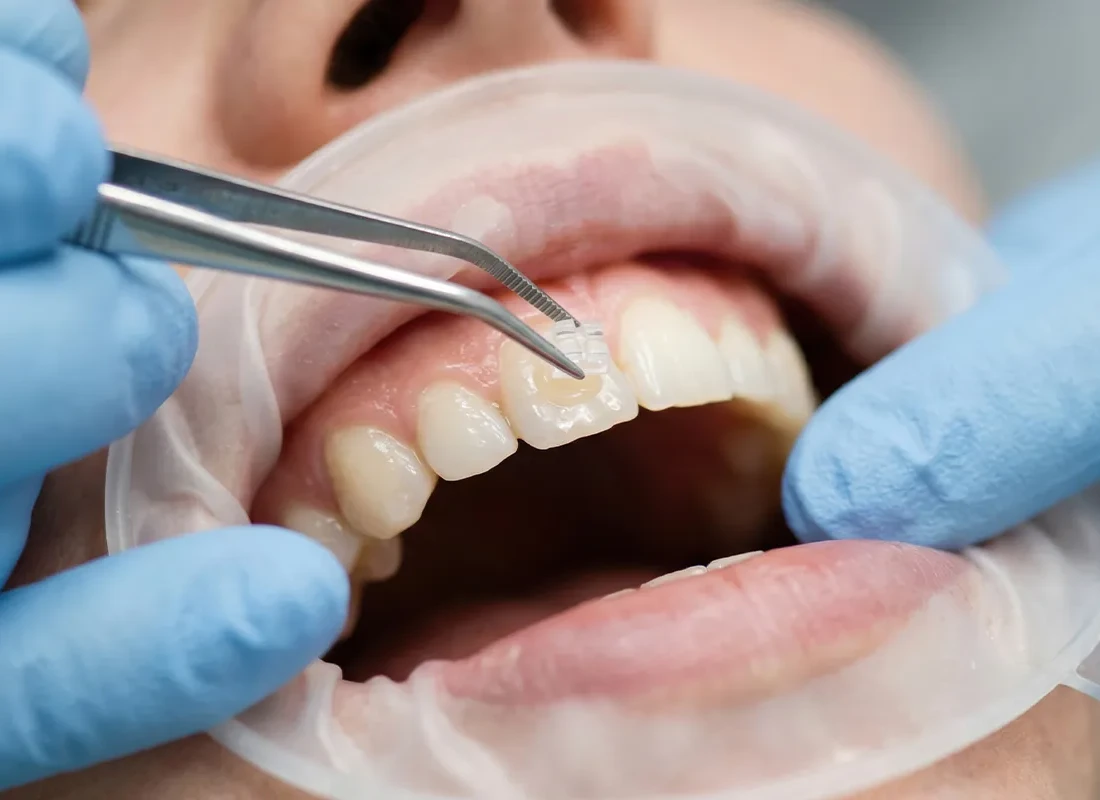
Bonding is one of the simplest cosmetic treatments. Our dentist lightly roughens the surface and adds a conditioning gel so the resin grips firmly. The tooth-colored composite is then shaped over the stain and hardened with a curing light. A final polish blends it smoothly with the rest of your smile. The whole visit is usually painless and quick.
How Long Does Bonding Last on a Stained Tooth?
With good care, bonding can last several years before it needs attention. How long depends on your habits and where the bonded tooth sits in your mouth. Because the resin can stain and is not as hard as enamel, it may eventually need a touch-up or replacement. Treating it gently and keeping up with cleanings stretches its lifespan. Avoiding habits like biting nails or chewing ice helps as well. Regular care keeps the bonded tooth looking its best.
Is Bonding or a Veneer Better for a Dark Tooth?
Both can cover a stained tooth, but they suit different situations. Bonding is faster, more affordable, and more conservative, making it great for a single tooth or a smaller budget. Veneers cost more and remove some enamel, yet they resist stains better and last longer. Our dentist can help you weigh which option fits your goals. For a quick, budget-friendly fix on one tooth, bonding is hard to beat. For long-term durability across several teeth, veneers may be worth the investment. Either way, a dark tooth does not have to stay that way.
Frequently Asked Questions
Does Bonding Damage the Stained Tooth?
No, bonding is gentle on the tooth. Little or no enamel is removed, and the resin simply bonds to the surface. The natural tooth stays intact underneath.
Can a Bonded Tooth Be Whitened Later?
The resin itself does not respond to whitening. If you plan to whiten, it is best to do so before bonding so the shade can be matched. Otherwise, the bonding may need replacing to match a brighter smile.
Will the Bonded Tooth Match My Other Teeth?
Yes, the resin is carefully shaded to blend with your surrounding teeth. Once it is polished, it is very hard to spot. It blends in so well that the treated tooth is tough to pick out.
A Simple Fix for a Stubborn Stain
So, can bonding cover a deeply stained tooth? In most cases, yes, and dental bonding does it quickly, affordably, and in a single visit. When whitening cannot lift a deep or single-tooth stain, covering it is often the smarter route. A brighter, more even smile is well within reach. A quick consultation will confirm if bonding is the right move.
If you want to learn more about covering a stained tooth, visit our Cosmetic Services in Salt Lake City, UT, page to schedule a consultation.