
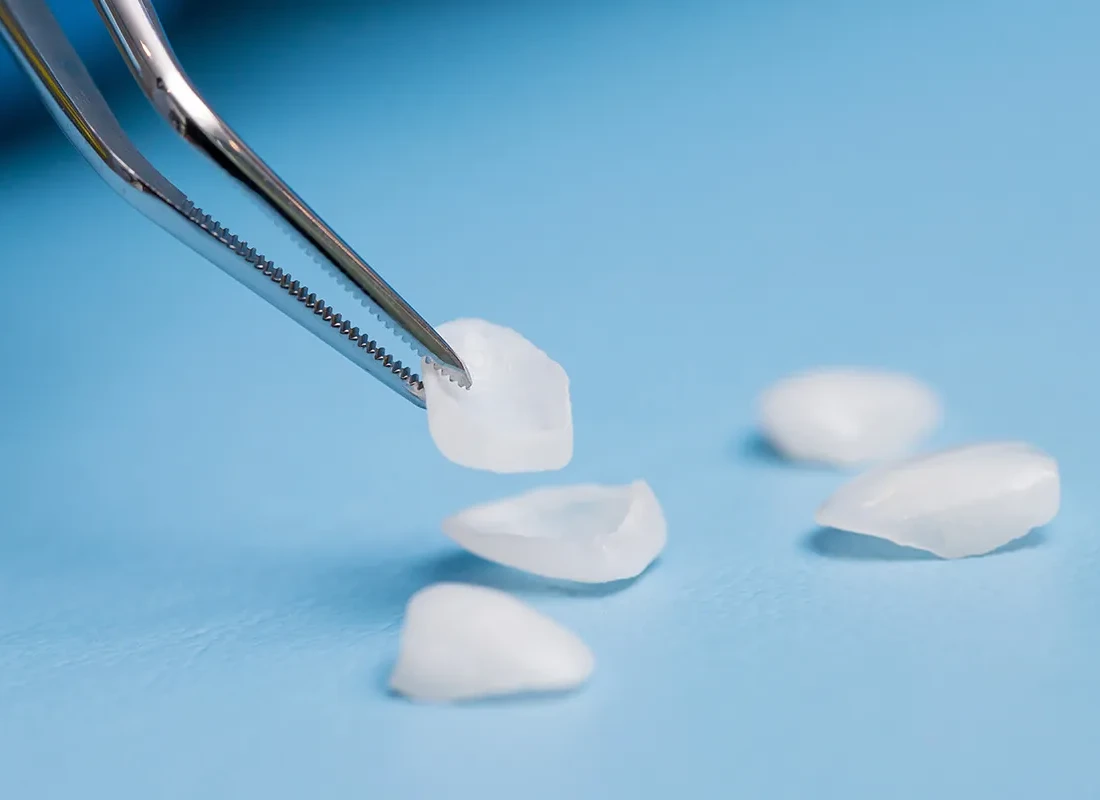
Veneers are priced tooth by tooth, so the total depends on how many teeth are treated and on the material and lab.
Staring at a veneer quote and wondering how a few thin shells can cost that much? The answer to how much do porcelain veneers cost in Salt Lake City, UT, starts with one fact. Every veneer is custom made for one tooth, so the price grows with each tooth in the plan.
A veneer is a thin, tooth-colored shell bonded to the front surface of a tooth to change its color, shape or spacing. Two smiles that look alike can carry very different totals, and the reasons are worth understanding before comparing quotes.
Quick Answer
Porcelain veneers cost a range, not one number, in Salt Lake City, UT. The price rises with each tooth treated and also depends on the material, the dental lab and the health of the teeth underneath. A dentist gives a personalized estimate after an exam, and an itemized estimate makes quotes easy to compare.
Key Takeaways
- Veneers are made one tooth at a time, so the total rises with every tooth included.
- Porcelain tends to cost more than composite but is long-lasting and resists stains better.
- Any decay or gum disease is treated first, and that care adds to the total.
- Veneers are considered cosmetic, so insurance may not cover them unless medically necessary.
- A written estimate listing the teeth, material and lab work makes quotes comparable.
Why Is a Veneer Priced Tooth by Tooth?
Each veneer is built for one specific tooth. A dental technician shapes the shell to match that tooth’s size, outline and shade, so six veneers mean six separate pieces of lab work rather than one large product.
Planning comes first. The dentist takes an impression or a digital scan and chooses a shade, and a dental lab makes the finished shell from that information.
A quote therefore rises and falls with the tooth count. Covering two chipped front teeth is a different project from reshaping every tooth that shows during a smile, even when the per-tooth fee is identical.
What Makes One Veneer Cost More Than Another?
Three things move the price most. The first is the material, since porcelain and composite are made differently and priced differently. The second is the dental lab that fabricates the shell, because ceramic quality and craftsmanship can vary from lab to lab. The third is how much preparation the tooth needs.
Traditional veneers involve removing a small amount of enamel from the front and sides of each tooth. Some cases qualify for prep-less veneers, which skip that step and leave more of the natural enamel in place.
How Do Porcelain and Composite Compare on Price?
Porcelain tends to be the more expensive option. According to MouthHealthy from the American Dental Association, a porcelain shell is strong, long-lasting and natural-looking. Composite is made from tooth-colored filling material bonded to the tooth, and it may require less enamel removal and fewer visits.
The trade-off shows up over time. Composite can be repaired more readily when it is damaged, but it is not as resistant to stains and wear. A lower fee at the start can mean more maintenance later, while a higher fee may buy a material that holds up longer.
Does Dental Insurance Pay for Veneers?
Often the answer is no. Veneers are considered cosmetic dentistry, so a plan may not cover them unless the treatment is deemed medically necessary, as MouthHealthy notes.
A tooth that is broken or heavily filled may call for a crown instead, and plans can treat crowns differently from cosmetic veneers. Because the treatments differ, their fees should not be compared line for line.
How Can the Cost Be Spread Out?
When insurance does not contribute, some practices offer payment plans or work with third-party financing companies that split a fee into monthly installments. Terms vary from one lender to the next, so the interest rate and repayment length deserve as much attention as the veneer quote itself. A financed total that includes interest is the figure to set beside a cash quote.
What Else Ends Up in the Final Veneer Price?
Placing the shells is not the only line item. The dentist must first treat any decay or gum disease, because placing veneers over unhealthy teeth may worsen existing problems, and that care adds to the total.
Some patients wear a temporary veneer while the lab finishes the permanent one. Practices that offer a trial smile let patients preview the shape and length before anything is final, and either step belongs on a written estimate.
Ask for an itemized estimate. It shows what is included, what comes first and what may need replacing years later, so two quotes can be compared.
Frequently Asked Questions
Are veneers a one-time cost?
A veneer may chip, crack, wear down or loosen over time, so it may need to be re-bonded, repaired or replaced. Cavities can also form under or around it. Brushing with fluoride toothpaste twice a day, cleaning between the teeth and wearing a mouth guard for sports help veneers last longer.
How do I compare two veneer quotes?
Ask each office for an itemized estimate that lists the number of teeth, the material, the lab work and any treatment needed first, such as decay or gum disease. A quote that leaves out any of these shows only part of the price. A financed total with interest belongs beside a cash quote.
Can I preview veneers before they are final?
Practices that offer a trial smile let patients preview the shape and length before anything is final. Some patients also wear a temporary veneer while the lab finishes the permanent one. Ask whether either step is included, and have it written on the estimate.
Related Reading
-
If you want to learn more about veneer pricing, visit our Porcelain Veneers in Salt Lake City, UT, page or schedule a consultation.