
Table of Contents
Dreading the words root canal after everything you have heard? A severe toothache is one of the most common reasons people seek emergency dentistry, and the answer is often a root canal, far less scary than its old reputation suggests. Deciding to get a root canal removes the source of the pain rather than adding to it. A root canal is a procedure that clears infected or inflamed pulp from within a tooth so it can be saved and the pain relieved. Modern techniques and anesthesia make the visit feel much like a routine filling, and you could be back to enjoying Sugar House Park the very next day.
Key Takeaways
- A root canal relieves tooth pain instead of causing it. The infection is the real source of discomfort.
- Local anesthesia keeps the procedure comfortable. Most people compare it to getting a filling.
- A day or two of mild tenderness afterward is typical. A simple over-the-counter medication usually handles it.
- Endodontic treatment lets you hold on to your natural tooth. That is better than removing it and adding a replacement.
- The scary reputation is outdated. Modern endodontics is precise and gentle.
Should I Be Afraid to Get a Root Canal?
For most people, the honest answer is no. The American Association of Endodontists points out that a root canal is meant to relieve pain rather than cause it, since the discomfort people dread usually stems from the infection itself. With modern technology and effective anesthesia, most patients say the treatment feels similar to a routine filling. The goal is to keep you comfortable while removing the source of the pain. In other words, the procedure is the solution, not the problem.
Why Do Root Canals Have Such a Bad Reputation?
The scary image dates back decades, long before modern methods. Older treatments were less comfortable, and the memory stuck in the public imagination. Today’s tools, techniques, and anesthetics have changed the experience entirely. Surveys even show that people who have had a root canal describe it as far more painless than those who have not. The dread, in short, is mostly a leftover from a different era. Fear of the unknown tends to do the rest.
Does a Root Canal Hurt?
Before anything starts, the tooth and the area around it are completely numbed. During the procedure, you should feel only slight pressure or movement, not pain. If anything feels uncomfortable, the anesthesia can be adjusted right away. The point of the visit is to end your pain, not add to it. Your comfort is the whole focus from start to finish.
What Does Getting a Root Canal Involve?
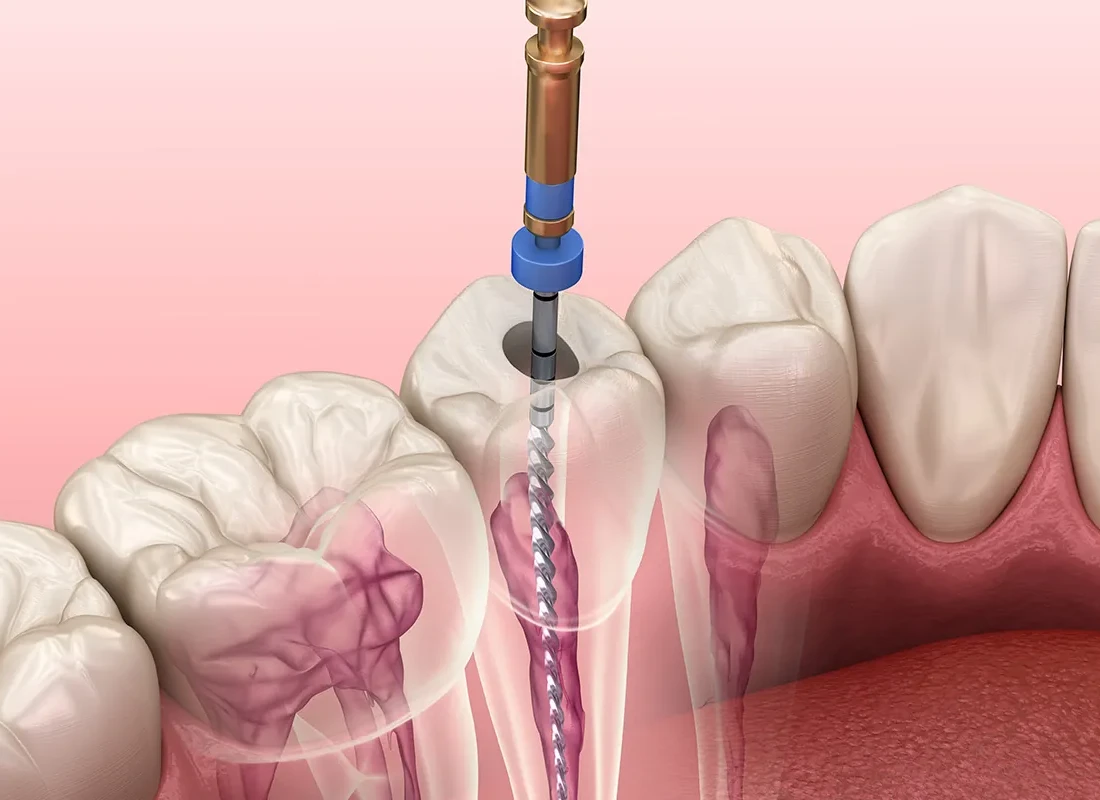
The steps are more straightforward than most people expect. After numbing the tooth, our dentist removes the infected or damaged tissue from inside it. The space is cleaned, disinfected, and sealed, and the tooth is often finished with a crown for strength. Most cases wrap up in one or two visits. Digital tools make each step faster and more precise than in years past, so the whole process is smoother than its reputation.
What Is Recovery Like?
Recovery is usually quick and mild. It is normal to notice a little tenderness or sensitivity for a few days while the area settles. A simple over-the-counter medication is usually enough to stay comfortable. Many people are back to their usual day almost right away.
Why Save the Tooth Instead of Pulling It?
It is almost always best to keep your natural tooth when possible. A root canal preserves normal chewing, keeps neighboring teeth from shifting, and protects the jawbone. Extraction, by contrast, often leads to an implant or bridge to fill the gap. Saving the tooth is usually simpler and more affordable in the long run. A natural tooth also tends to feel and function better than any replacement. Keeping it supports a comfortable, natural bite. That long-term value is easy to overlook at first.
Frequently Asked Questions
Is a Root Canal an Emergency?
Often it is not, but a painful or infected tooth should be seen promptly. Delaying can let the infection spread and worsen. Our team can advise how urgently you need to be seen.
How Long Does a Root Canal Take?
Most root canals are completed in one or two appointments. Each visit usually lasts about an hour or so, depending on the tooth. Our dentist will let you know what to expect beforehand.
Will I Need a Crown Afterward?
Often, yes, especially on back teeth that handle heavy chewing. A crown protects the treated tooth from cracking. Our dentist will recommend if one is needed.
Facing a Root Canal Without Fear
So, should you be afraid to get a root canal? For the vast majority of people, there is no reason to be, because the treatment relieves pain and saves the tooth. Modern anesthesia and technology have turned a once-dreaded procedure into a routine, comfortable one. When a painful tooth flares up, emergency dentistry can bring fast relief, often with a straightforward root canal. If pain is holding you back, a consultation can answer every question you have.
If you want to learn more about fast relief for a painful tooth, visit our Emergency Dentist in Salt Lake City, UT, page to schedule a consultation.