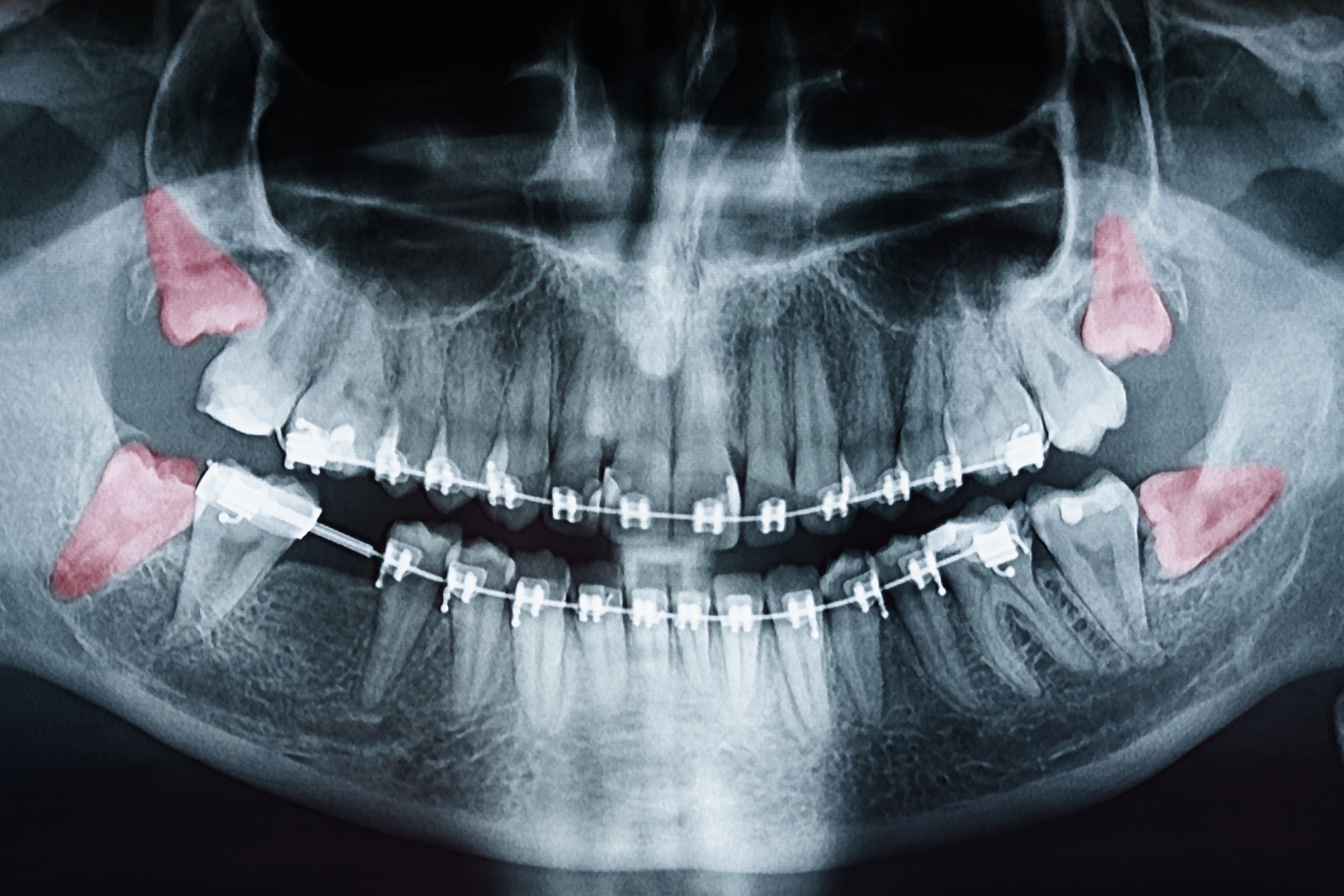
Nervous about getting your wisdom teeth out because of what you have heard? A lot of it is not true. Some of the most popular myths about wisdom teeth removal make the procedure sound worse than it really is. Wisdom teeth removal is a common oral surgery that takes out the third molars at the back of the mouth. Clearing up these myths can help you feel calmer and more prepared. The truth is usually plainer and less scary than the rumors, so let us clear the air. Knowing the facts makes the whole process less stressful. Here are five common myths and the facts behind them.
Key Takeaways
- Not everyone needs their wisdom teeth removed, since healthy ones can sometimes stay.
- The surgery is routine and done with numbing or sedation, so it is not painful.
- Recovery is usually faster than people expect, with many back to normal in days.
- Younger patients heal faster, which is why removal is common in the teens and twenties.
- Following the aftercare steps closely lowers the risk of problems like dry socket.
Myth 1: Everyone Has to Get Them Removed
This is the most common myth of all. Many people assume wisdom teeth always have to come out, but that is not true. According to the American Association of Oral and Maxillofacial Surgeons, wisdom teeth may not need to be extracted if they grow in fully, work properly, are free of pain and disease, and can be kept clean. So the honest answer to whether wisdom teeth need to be removed is: only when they cause or threaten problems.
A dentist decides based on your exam and X-rays. Healthy wisdom teeth that fit and stay clean can often be left alone. They just need regular checkups to make sure they stay problem-free. Every mouth is different, so the plan should be too, and the goal is healthy, comfortable teeth, not a set rule. Removal is about need, not routine.
Myth 2: The Surgery Is Extremely Painful
The fear of pain keeps many people away. In reality, the area is fully numbed, and many patients choose sedation, so you feel little or nothing during surgery. Some soreness afterward is normal, but it is usually manageable with basic pain relievers. Most people are surprised by how mild it feels. The dread is almost always worse than the procedure. Sedation options range from laughing gas to deeper options for nervous patients, and the dentist chooses what keeps you most comfortable. Comfort has come a long way in modern dentistry, and many people say the appointment was calmer than they feared.
Myth 3: Recovery Takes Weeks
Many people picture being stuck in bed for a long time. Most wisdom teeth removal recovery actually takes only a few days, with many people back to normal within a week. Swelling and soreness fade fast, especially when you rest and follow the aftercare steps. Soft foods and ice help in the first day or two. Full healing continues underneath, but you will feel like yourself quickly. If you stick to soft foods and resting for a day or two speeds things along, and most people take just a couple of days off from work or school. Everyone heals at their own pace, and rest is your best tool for a fast recovery. Pushing too hard too soon is the main thing that slows healing.
Myth 4: It’s Better to Wait Until They Hurt
Waiting for pain is a risky plan. Wisdom teeth can cause damage, crowding, or infection before you feel anything. Removing problem teeth earlier, when the roots are less developed, often makes surgery and healing easier. That is why many people have them out in their late teens or early twenties. Acting early can prevent bigger problems later. Impacted teeth can push on neighbors or trap bacteria out of sight, and catching that early is calmer than fixing damage later. Waiting often turns a simple case into a harder one, and early action keeps your options open. A quick X-ray shows what is happening below the gums.
Myth 5: Removal Always Causes Complications
Serious problems are actually rare. Most wisdom teeth removals go smoothly, and complications like dry socket are uncommon and treatable. The best way to avoid them is to follow the aftercare instructions closely. That means no smoking, no straws, and gentle care of the area. With good aftercare, the risk stays low. If a problem does come up, it is usually easy to treat, and calling early with any concern keeps small issues small. Good aftercare is the biggest factor in smooth healing, and simple steps prevent most complications. Most people heal with no trouble at all.
The Truth Behind the Myths
When you look closely, the biggest myths about wisdom teeth removal fall apart. Not everyone needs the surgery, it is not as painful as feared, and recovery is usually quick. Wisdom teeth removal is a common, well-understood procedure, especially for younger patients. An exam and X-rays give you real answers about your own teeth, not rumors, and the facts are on your side. Trust the facts over the horror stories.
If you want to learn more about the myths about wisdom teeth removal, visit our Wisdom Teeth Removal in Salt Lake City, UT, page or schedule a consultation.